
Gas Detector Placement for Hydrocarbon Release Detection Training
DEVELOP Training Center menyelenggarakan Kelas Gas Detector Placement for Hydrocarbon Release Detection yang sangat berguna untuk mendapatkan pengetahuan tentang penempatan gas detector untuk pelepasan hidrokarbon, karakteristik gas, sumber kebocoran, dispersi, ventilasi, ketinggian pemasangan, hambatan, dan cakupan deteksi.
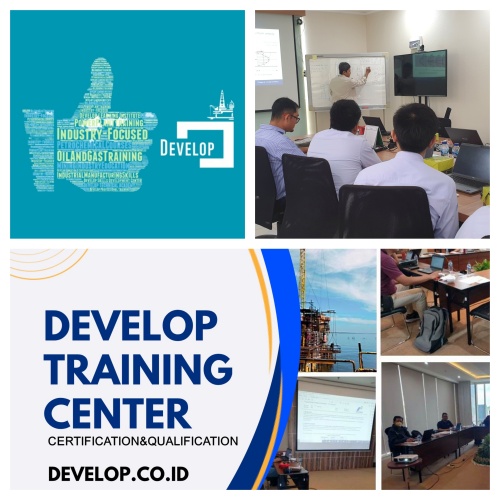
Pelatihan dilaksanakan melalui pemaparan materi dan diskusi interaktif di dalam kelas. Peserta pelatihan didorong untuk berperan aktif dalam memahami materi yang disampaikan oleh instruktur.
DEVELOP mengimplementasikan Syllabus Kelas Gas Detector Placement for Hydrocarbon Release Detection Training dengan tahap pembelajaran berkualitas sebagai berikut:
Sesi 1-2
- Hydrocarbon gas detection principles in process facilities
- Combustible gas detector technologies and sensing characteristics
- Gas release sources from process equipment and piping
- Gas density, buoyancy, and dispersion behavior
- Wind direction and ventilation effects
- Potential release points and leak source identification
- Detector mounting height and location considerations
- Equipment congestion and physical obstruction effects
- Detector response time and alarm threshold characteristics
- Area zoning and detector signal interfaces
- Existing detector layouts and gas alarm records
- Case Study
Sesi 3-4
- Hydrocarbon release scenario mapping
- Gas dispersion and detector location assessment
- Detector spacing and coverage evaluation
- Mounting height selection for different gas properties
- Wind and ventilation influence on detector placement
- Obstruction and equipment layout assessment
- Coverage gap identification and location improvement
- Detector technology selection for hydrocarbon service
- Alarm zoning and detector grouping review
- Maintenance accessibility at proposed locations
- Placement verification after facility modification
- Gas detector location records and coverage reporting
- Case Study
Sejalan dengan teori yang disampaikan, sebanyak mungkin akan disertakan contoh-contoh studi kasus yang relevan dengan kondisi industri saat ini. Peserta juga diberikan kesempatan untuk mengajukan pertanyaan dan mendiskusikan topik-topik yang dibahas.

Materi Training dirancang khusus oleh para praktisi dan tenaga ahli yang kompeten serta telah berpengalaman sesuai dengan experience dan solid knowledge mereka. Anda akan mendapat sharing ilmu langsung dari para praktisi yang berpengalaman bertahun-tahun.
Selama training, instruktur kami akan menggunakan kombinasi teori serta praktek langsung dengan studi kasus telah dipersiapkan yang menyerupai Proyek nyata.

combustible gas detector locationdetector mounting heightgas detector coveragegas dispersion monitoringgas release detectionhazardous area gas detectionhydrocarbon gas detector placementhydrocarbon leak detectionindustrial gas detector layoutInstrumentationprocess gas detection
Other Important Skills to Boost Your Career: