Piping Replacement for Aging Hydrocarbon Systems Training
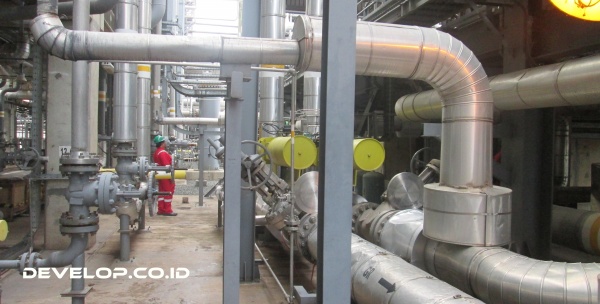
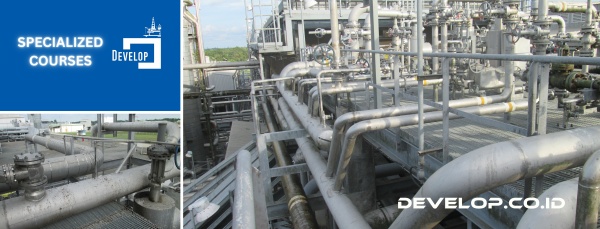
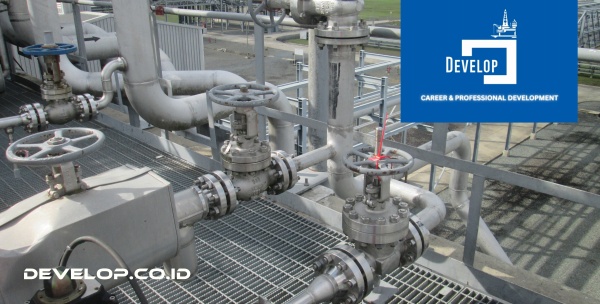
DEVELOP Training Center menyelenggarakan Kelas Piping Replacement for Aging Hydrocarbon Systems yang sangat berguna untuk mendapatkan pengetahuan tentang penggantian perpipaan pada sistem hidrokarbon yang menua, mencakup degradasi, batas penggantian, material, spool, interface, instalasi, pengujian, dan dokumentasi.
Pelatihan dilaksanakan melalui penyampaian materi dan diskusi interaktif di dalam kelas. Peserta pelatihan diajak untuk sepenuhnya aktif dalam memahami materi yang disampaikan oleh instruktur.

DEVELOP mengimplementasikan Syllabus Kelas Piping Replacement for Aging Hydrocarbon Systems Training dengan tahap pembelajaran berkualitas sebagai berikut:
Sesi 1-2
- Aging mechanisms affecting hydrocarbon process piping systems
- Inspection findings used to identify piping replacement requirements
- Remaining wall thickness and degradation assessment records
- Replacement boundary definition for aging piping circuits
- Line identification and isolation boundaries for replacement work
- Replacement material selection for hydrocarbon service conditions
- Existing piping dimensions and field measurement requirements
- Replacement spool design and fabrication considerations
- Flange, valve, fitting, and support replacement interfaces
- Existing plant conditions affecting piping replacement access
- Replacement scope records and engineering documentation
- Case Study
Sesi 3-4
- Brownfield piping replacement sequencing and work-area planning
- Temporary supports during removal of aging piping sections
- Hot work and cold work considerations for hydrocarbon piping replacement
- Field fit-up requirements for replacement piping spools
- Welding and inspection requirements for replacement joints
- Pressure testing and leak testing after piping replacement
- Cleaning, flushing, and drying requirements before return to service
- Coating and corrosion protection for replaced piping sections
- Interface checks with equipment, instruments, and existing systems
- As-built verification after completed replacement work
- Final replacement dossier and return-to-service documentation
- Case Study
Sejalan dengan teori yang disampaikan,sebanyak mungkin akan diberikan contoh-contoh studi kasus yang relevan dengan kondisi yang ada diindustri. Dalam hal ini peserta diberikan kesempatan untuk bertanya dan mendiskusikan topik-topik yang dibahas.

Materi Training dirancang khusus oleh para praktisi dan tenaga ahli yang kompeten serta telah berpengalaman sesuai dengan experience dan solid knowledge mereka. Anda akan mendapat sharing ilmu langsung dari para praktisi yang berpengalaman bertahun-tahun.
Selama training, instruktur kami akan menggunakan kombinasi teori serta praktek langsung dengan studi kasus telah dipersiapkan yang menyerupai Proyek nyata.

aging hydrocarbon piping replacementaging process pipingbrownfield piping replacementhydrocarbon piping repairPipingpiping isolation planningpiping replacement planningrefinery pipe replacementrefinery piping degradationreplacement spool fabricationreturn to service piping
Other Important Skills to Boost Your Career: